Heritage
Excellence at Scale
We were pioneers of mass production; yet every ercol piece is unique, because of the natural, subtle variations in the timber we use to make it.
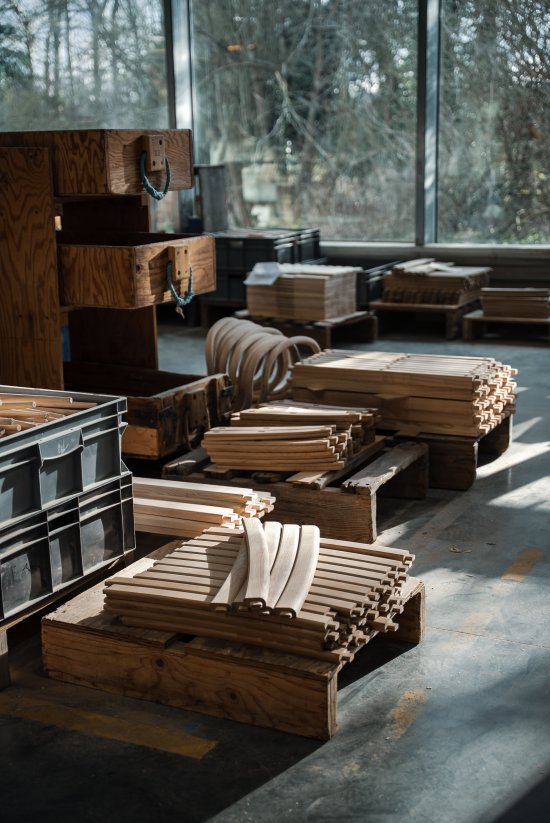
When people visit our premises in Princes Risborough for the first time, they are often taken aback by the scale of our operation. For many, it can come as quite a surprise to realise that we are a large, modern manufacturing enterprise.
But in fact, this is how we were from the beginning. What our founder, Lucian Ercolani, set up in 1920 was not a small workshop, but a fully-fledged factory called Furniture Industries, which later became ercol as we know it today. In 1932, he expanded the business further by acquiring a well-known, highly respected firm of high-class chairmakers.
During the Second World War, the factory’s capacity and skills were put to government use, making wooden tent-pegs at the rate of 25,000 a day, together with storage boxes and other supplies. These years saw serious shortages of many raw materials in Britain, including wood, at a time when demand was soaring as people rebuilt their homes, businesses and lives. In 1942, the Utility Furniture Scheme was set up to ensure the available wood was used effectively and fairly. A year later, the Scheme’s advisory committee published the Utility Furniture Catalogue, which featured ercol's 4a Kitchen Chair as an exemplar of well-designed, well-made furniture that also used resources efficiently.
This led to a contract from the Board of Trade in 1944 to supply 100,000 strong, practical chairs at low cost. Within a year, Lucian Ercolani had re-equipped the factory with new machinery that enabled ercol to produce chairs of the quality promised and in the volumes required, at a cost of just 10 shillings and sixpence each. The age of mass production had truly arrived at ercol, marrying all the benefits of industrial technology - speed, accuracy, consistency, shorter lead-times, reduced wastage and maximum availability – to the human skills and attention to detail of a traditional craft business.
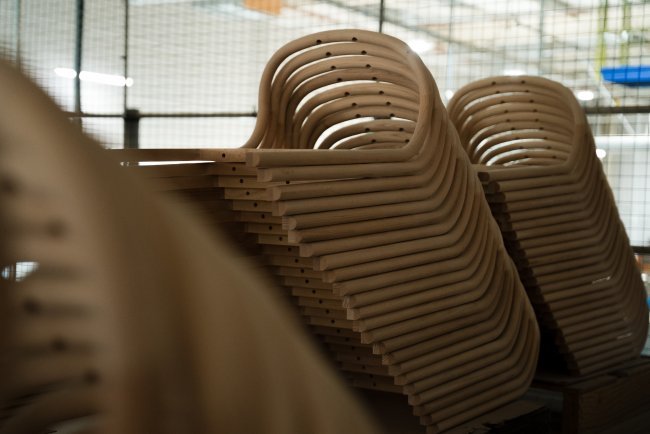
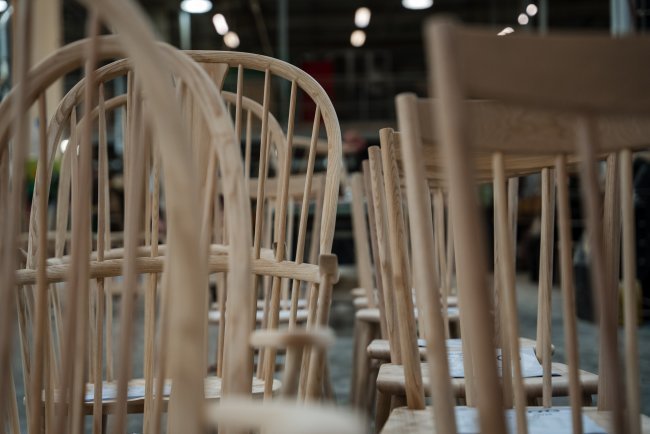
And yet, our furniture is unlike other mass-manufactured products in a couple of crucial respects. First, while their designs and forms are the same, the natural, subtle variations in the timber we use to make them means every piece is entirely unique. Every Windsor chair now has six spindles in the back rest, all turned to precisely the same dimensions: but in each of those spindles, in every chair, you’ll find different grain patterns, shades, whorls, knots and other imprints of the tree it came from. These natural features ensure that the ercol furniture in your home is truly yours.
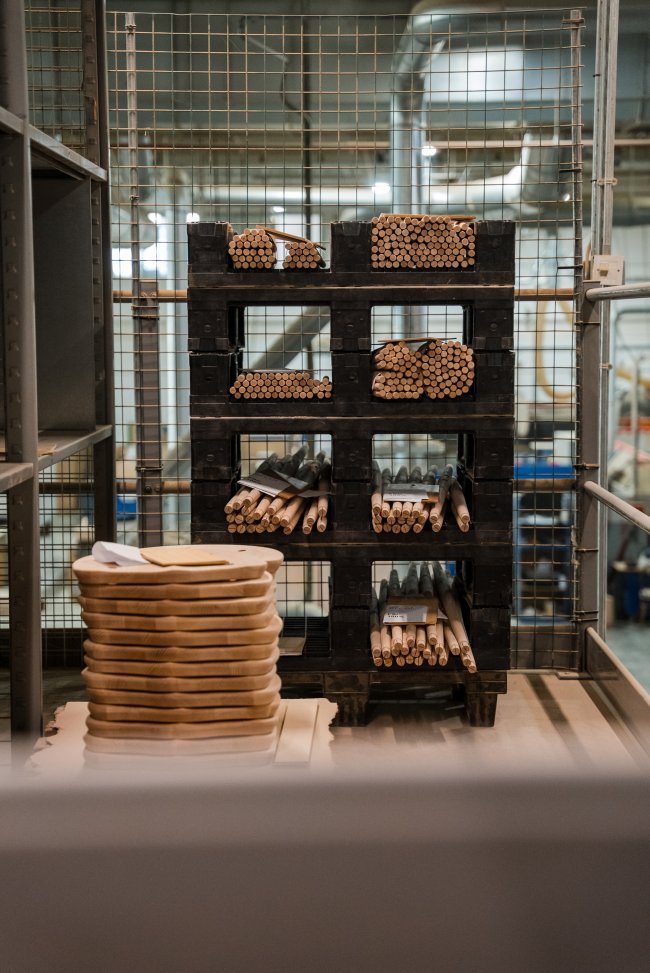
Second, although we use machines to make our furniture, they’re not the final arbiters of quality. That responsibility lies with our craftspeople, who alone have the skills, experience, knowledge and discernment to determine whether an individual piece meets our exacting standards. That, too, is how we’ve always done things here, and always will.
If you would like to keep updated with the latest blogs, new arrivals and the latest offers from ercol, you can sign up to our newsletter here.